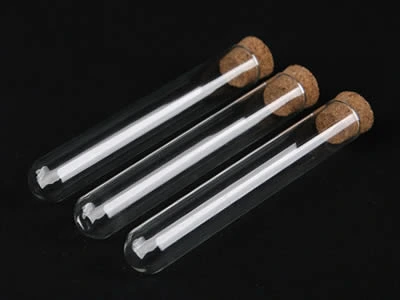
LCT-02: Laboratory glass culture tubes
Laboratory culture tubes are commonly used for culture medium dispensing, microbial culture, biological sample handling, and routine experimental testing. Depending on the specific application, glass culture tubes may also be referred to as laboratory glass test tubes or sample tubes.
Culture tubes can be made of glass or plastic materials and are available in various outer diameters, lengths, wall thicknesses, bottom structures, and sealing methods. Certain autoclave-compatible models, when fitted with appropriate caps or stoppers, can withstand sterilization at 121 °C and 15 psi saturated steam, suitable for culture medium preparation, sterilization, and microbial cultivation.
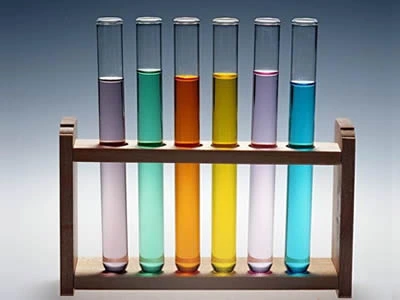
GTT-01: Laboratory culture tubes
| Category | Available Types | Main Characteristics and Applications |
|---|---|---|
| Glass Material | Borosilicate Glass | Good heat shock resistance and chemical resistance, suitable for models requiring heating or autoclaving |
| Soda-lime Glass | Economical and practical, suitable for routine experiments and sample handling | |
| Quartz Glass | Good high temperature and chemical resistance, suitable for special experiments and custom applications | |
| Plastic Material | Polypropylene (PP) | Lightweight, impact resistant, good chemical resistance, some models suitable for autoclaving |
| Polystyrene (PS) | Relatively high transparency, allowing easy observation of samples, suitable for disposable experimental operations, generally not used for high-pressure steam sterilization | |
| Bottom Structure | Flat Bottom | Can stand independently, suitable for culture medium filling, sample observation, and temporary storage |
| Round Bottom | Facilitates liquid mixing, heating, and sample recovery, usually used with a test tube rack | |
| Tube Opening | Flat Mouth | Can be paired with cork stopper, plastic cap, rubber stopper, or silicone stopper, offering flexible sealing options |
| Screw Mouth | Can be paired with plastic or aluminum screw caps, helping reduce leakage, contamination, and moisture evaporation | |
| Sealing Methods | Cork Stopper, Plastic Cap, Quartz Stopper, Rubber Stopper, Silicone Stopper, Plastic Screw Cap, Aluminum Screw Cap | Selectable according to sealing, ventilation, temperature resistance, and sample compatibility requirements |
LCT-02: Laboratory glass culture tubes
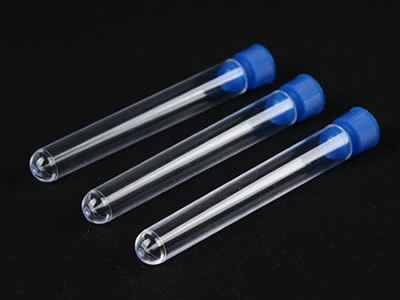
LCT-03: Laboratory plastic culture tubes
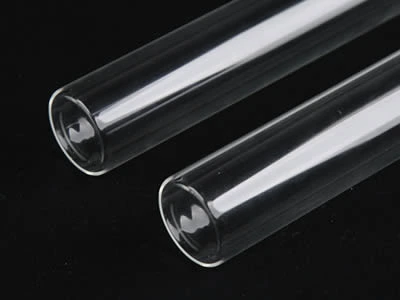
LCT-04: Laboratory culture tubes with flat bottom
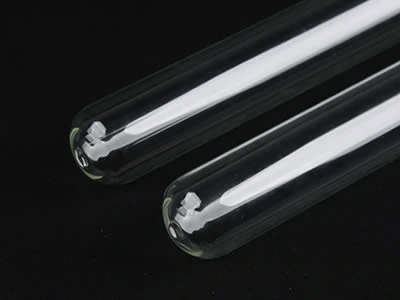
LCT-05: Laboratory culture tubes with round bottom
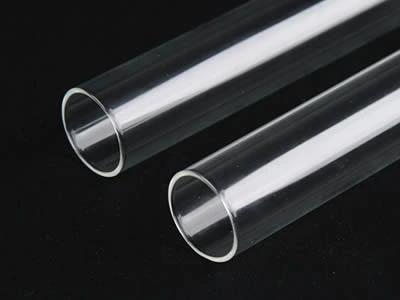
LCT-06: Laboratory culture tubes with flat top
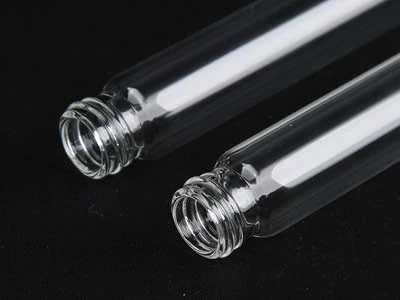
LCT-07: Laboratory culture tubes with screw top
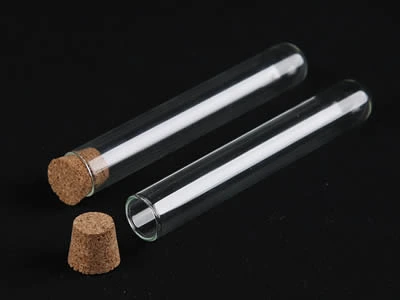
LCT-08: Laboratory culture tubes with cone shape cork stopper
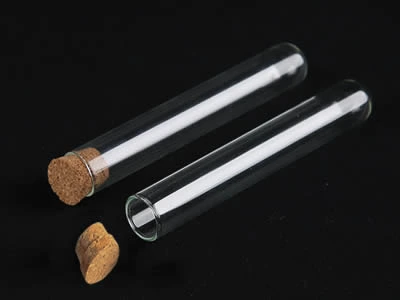
LCT-09: Laboratory culture tubes with T-shape cork stopper
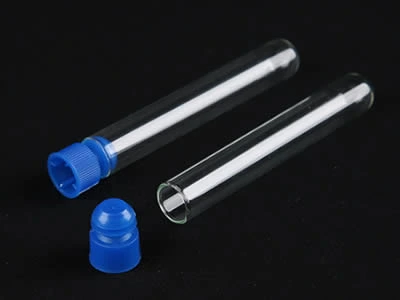
LCT-10: Laboratory culture tubes with plastic stopper
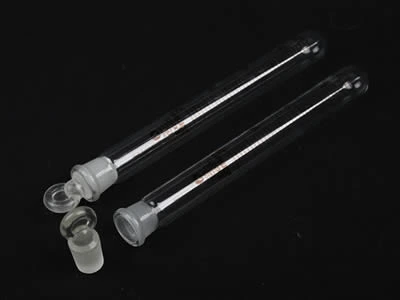
LCT-11: Laboratory culture tubes with quartz stopper
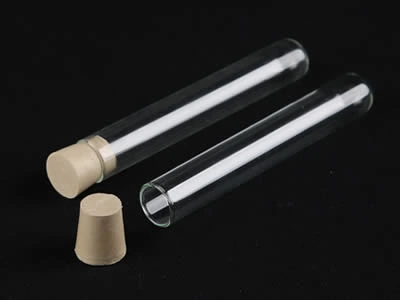
LCT-12: Laboratory culture tubes with rubber stopper
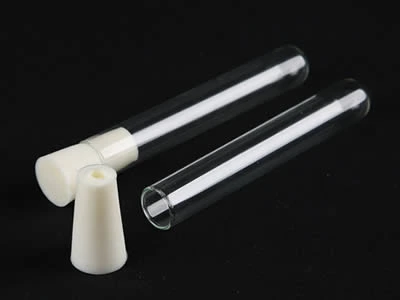
LCT-13: Laboratory culture tubes with silicone stopper
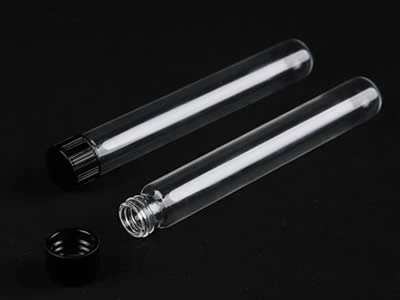
LCT-14: Laboratory culture tubes with plastic screw stopper
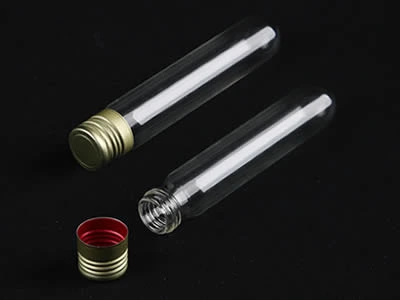
LCT-15: Laboratory culture tubes with aluminum screw stopper
| Model | Outer Diameter (mm) | Length (mm) |
|---|---|---|
| LCT-01 | 8 | 100 |
| LCT-02 | 10 | 100 |
| LCT-03 | 10 | 75 |
| LCT-04 | 12 | 75 |
| LCT-05 | 12 | 100 |
| LCT-06 | 13 | 100 |
| LCT-07 | 13 | 75 |
| LCT-08 | 14 | 100 |
| LCT-09 | 15 | 100 |
| LCT-10 | 15 | 150 |
| LCT-11 | 15 | 180 |
| LCT-12 | 16 | 100 |
| LCT-13 | 18 | 150 |
| LCT-14 | 18 | 180 |
| LCT-15 | 20 | 150 |
| LCT-16 | 20 | 200 |
| LCT-17 | 25 | 200 |
| LCT-18 | 30 | 200 |

LCT-16: Laboratory culture tubes used in laboratory experiment.
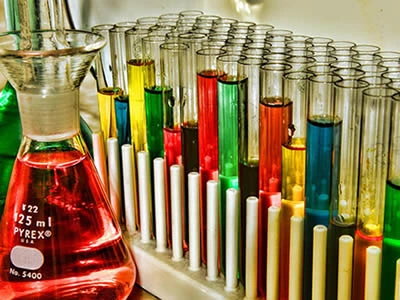
LCT-17: Laboratory culture tubes can be used for solvent temporary storage.